What Happens on Window Installation Day When the Santa Ana Winds Are Blowing
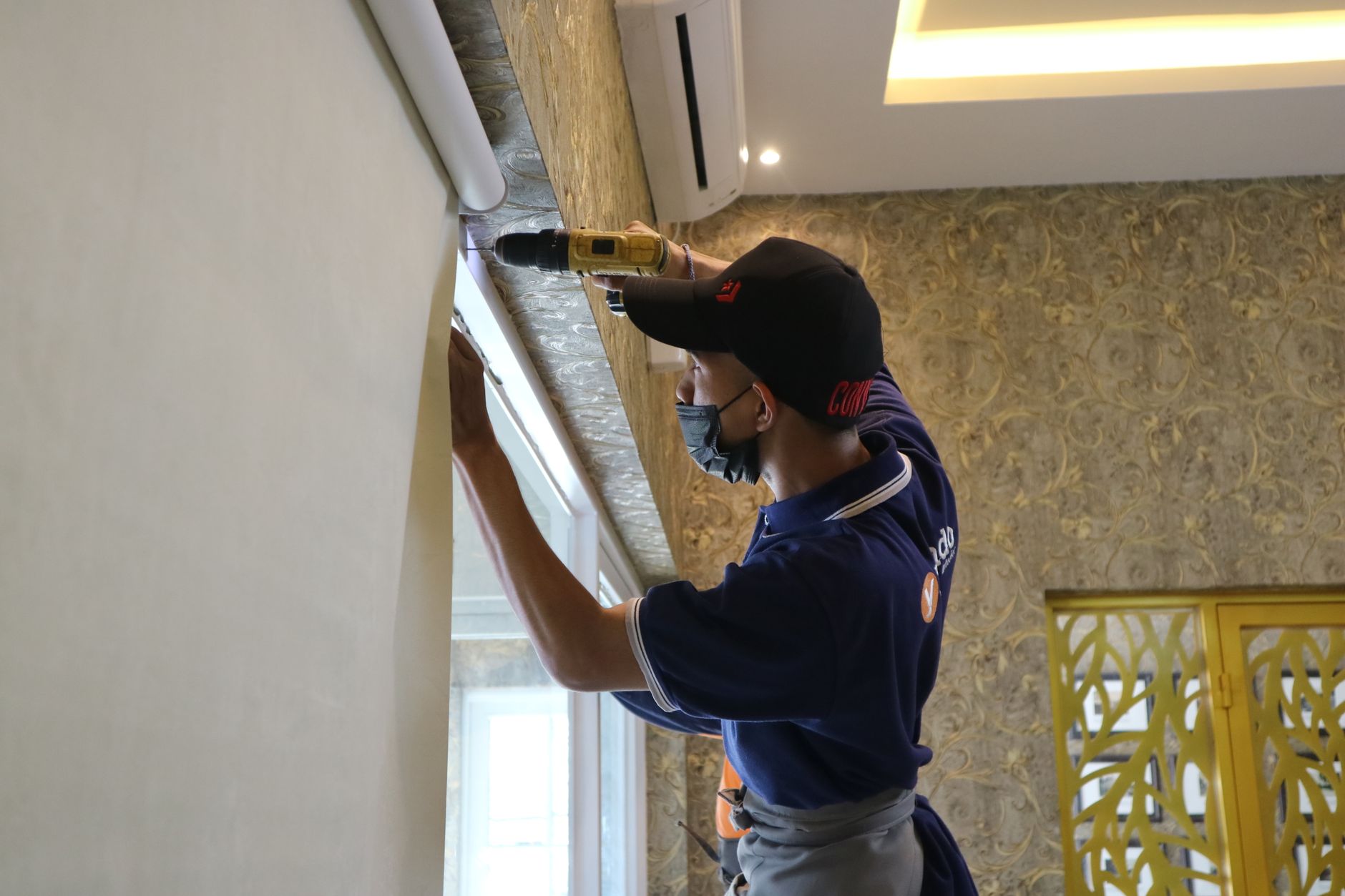
An open wall during a windy afternoon is the worst moment in a window job. In San Bernardino the Santa Ana winds can arrive with a few hours of warning, and a house with half its windows out becomes a funnel for dust. A well run installation day is built around that risk, and most of the planning happens before the first sash comes out.
How does a crew decide which day to schedule the work?
Crews watch the forecast for wind first and temperature second. Sustained wind through Cajon Pass and down into the valley means fine grit in the air, and that grit lands on bare framing, wet sealant and fresh paint. A calm morning is worth more than a perfect temperature, so jobs are often moved a day or two when a wind advisory is posted for San Bernardino County.
Heat matters too. Sealants and foam have working temperature ranges, and a west wall in direct July sun can be far hotter than the air. Crews start on the shaded side of the house and finish on the sunny side late in the day, or shift the whole job to early morning so the sealant cures before the wall heats up.
What gets protected inside the house?
Dust control starts indoors. Furniture within six feet of a window gets moved or wrapped, floors get taped drop cloths, and any return air vent near the work is covered so grit does not go into the ductwork. Blinds, curtains and rods come down before the crew arrives, since removing them mid-job costs time and invites scratches.
Homeowners can help with a short checklist:
- Clear a path of about three feet from the front door to each window.
- Take pictures, mirrors and shelf items off the walls near the work.
- Move pets to a closed room away from open frames.
- Turn off ceiling fans in the rooms being worked on.
- Leave access to the garage or side gate for tools and old units.
In what order do the windows come out?
One room at a time is the rule on a windy or hot day. The crew removes the old window, checks the opening, installs the new unit and closes it up before moving to the next opening. A house is never left with every window out at once. Bedrooms usually go first so they can be shut off from the dust and heat, and large picture windows and slider doors are saved for the middle of the day when the crew is at full strength.
The order inside each opening is also fixed. The old sash and frame come out, the opening is cleaned with a vacuum rather than a broom, and the sill is checked for rot, level and flashing. Only then does the new unit go in, shimmed square, fastened and sealed.
What does each step look like?
| Step | What happens | Why it matters in dust and heat |
|---|---|---|
| Protect | Floors covered, furniture moved, vents sealed | Grit stays out of the ducts and finishes |
| Remove | Old sash, stops and sometimes the whole frame come out | The opening is exposed for as short a time as possible |
| Inspect | Sill, jambs and sheathing checked for rot and moisture | Hidden water damage shows up here and changes the plan |
| Flash and shim | Sill pan or flashing tape applied, unit set level and plumb | A crooked unit never seals well against wind |
| Insulate and seal | Low expansion foam in the gap, sealant outside, trim inside | Cool morning application gives the best cure |
| Clean and test | Glass cleaned, locks and weatherstripping checked | Dust on a seal can leave a gap that lets air through |
Why does the sealant need so much attention?
Exterior sealant is the line between the wall and the weather. Applied onto dusty stucco, it sticks to the dust rather than the surface, and it peels within a season. Crews wipe or brush the joint clean, and in a dry wind they often make a second pass right before sealing. On stucco homes in Verdemont and Del Rosa, the joint between the stucco and the frame is the place where most failures begin, so it gets the most care.
Foam in the gap behind the frame follows the same logic. Low expansion foam fills the gap without bowing the frame, while the high expansion type can squeeze a vinyl window out of square and make a slider stick in its track for years. A crew that tests every slider and double hung sash after the foam cures catches that before it becomes a service call.
What happens to the old windows?
Old aluminum frames and glass are heavy and sharp, and a pile in the front yard on a windy day is a hazard. Good crews carry the old units straight to a truck or a covered area, and sweep up glass chips in each room before leaving it. Old glass should never be left leaning against a wall where wind or a pet could knock it over.
Homes built before the late seventies may have paint that contains lead. A crew working on an older house in the Inland Empire will often test the paint first and use wet methods to keep dust down. That is a reason to ask about it at the planning stage, not on the day.
How long does the job really take?
An average house with ten to fourteen openings is usually a one or two day job for a small crew. Large picture windows, bay windows and sliding doors take longer because the glass is heavy and needs extra hands. Stucco repair around full frame replacements adds a separate trip, since the patch needs time to cure before it is painted.
Weather can add a day. Wind above about twenty miles an hour makes it unsafe to carry large panes outdoors, and a crew that stops for the afternoon is doing the right thing. A spare day in the schedule keeps that from becoming a problem.
What should the homeowner check at the end?
A walkthrough after the last window is worth twenty minutes. Open and close every sash, check that locks pull the sash tight, and look at the sealant bead for gaps or smears. Look at each frame from inside with a flashlight along the edge, which shows daylight if the shim or foam missed a spot. The glass should be clean, the labels removed, and the screens fitted.
Checking again after the first windy day catches problems early. A light line of dust on a new sill is normal, but a heap in the corner of a track means a gap somewhere, and it is much easier to fix in week one than in year three.
What about the weeks after installation?
Sealant and foam finish curing over a few days, so avoid hard slams and heavy cleaning during that time. Wait for any interior paint touch ups to dry before closing the windows tightly. Clean the tracks and weep holes after the first wind event, and note the date, since it makes a good habit for each autumn when the Santa Ana season returns.
A new window is only as good as the day it went in. In a valley with heat, wind and fine dust, a calm morning, a clean opening and a patient crew do more for the finished job than any feature on the label.