Replacement Windows San Bernardino, CA
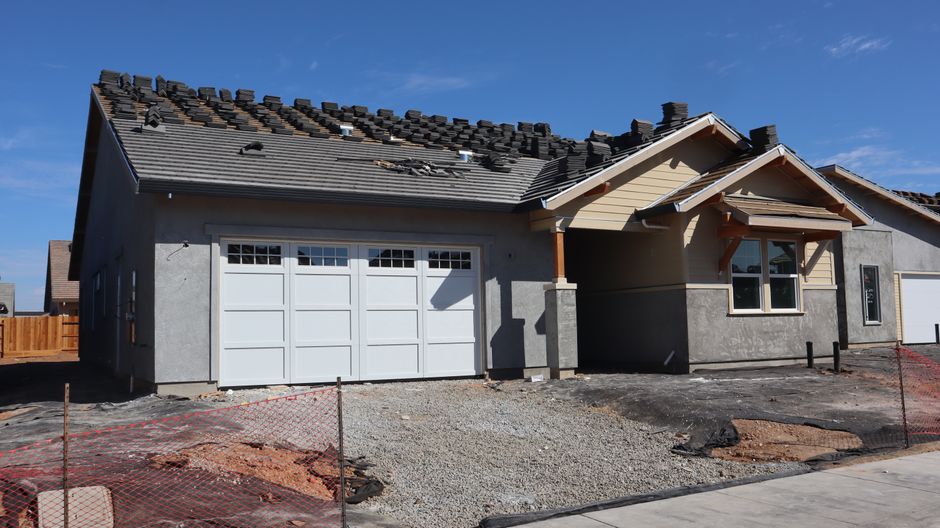
Notes on window replacement in San Bernardino, CA, covering heat, Santa Ana wind dust and how frames and glass hold up in the valley.
What We Cover
- Slider, Casement or Double Hung for a Hot Dusty Valley Home How window operation style affects airflow, sealing and cleaning in a San Bernardino house.
- Which Low E Glass Suits a West Facing Room in San Bernardino How low e coatings and solar heat gain ratings behave on afternoon-sun walls in the San Bernardino valley.
- Retrofit Insert or Full Frame Replacement in a Stucco Wall What decides between a retrofit insert and a full frame removal when the wall is stucco with a nail fin.
- How Windows Keep Santa Ana Wind Dust Out of a San Bernardino House Where wind driven dust gets past old windows and which seals and frame details stop it.
- Vinyl, Fiberglass or Wood Clad Frames Under San Bernardino Sun How each frame material expands, fades and ages under long hot inland summers.
- Why Insulated Glass Units Fog Between the Panes What fogging between double pane glass means, why heat cycles cause it and what a replacement fixes.
Replacement Windows San Bernardino, CA
Replacement windows in San Bernardino work hard. Summer afternoons push the valley well past one hundred degrees, and the Santa Ana winds that drop through Cajon Pass carry fine dust that finds every loose sash. A crew measuring an opening here is thinking about solar heat gain, seal fit and how the frame sits in the wall before it thinks about style.
What the work looks like on site
Most homes in Verdemont and Del Rosa are stucco with aluminum or older vinyl frames. The first job is reading the opening: a screwdriver tested against the sill, a level on the jambs, a look for stains that mean water has been getting behind the finish. That check decides whether a retrofit insert will do or the whole frame has to come out.
Glass for heat and wind
West and south rooms take the longest sun in San Bernardino County. Low e coatings, a double pane insulated glass unit and argon fill all cut the heat that gets in, and the label values for solar heat gain and U factor tell a crew which glass belongs on which wall. Wind driven grit adds a second test, so sash fit and weatherstripping get the same attention as the glass.
Frames, noise and the valley setting
Vinyl, fiberglass and clad frames each handle heat differently, and a house close to Interstate 215 may also want thicker or laminated glass on the street side. Views toward the San Bernardino Mountains are worth keeping, so picture windows and slim sightlines often stay in the plan.
Guides
The pages here cover glass choice for hot walls, keeping Santa Ana dust out, insert versus full frame work in stucco, frame materials in heat, foggy double pane units and picking an operating style for a dusty valley home.
Latest Guides
Glare, Fading and Hot Spots: Handling Afternoon Sun Through San Bernardino Windows
2026-10-20
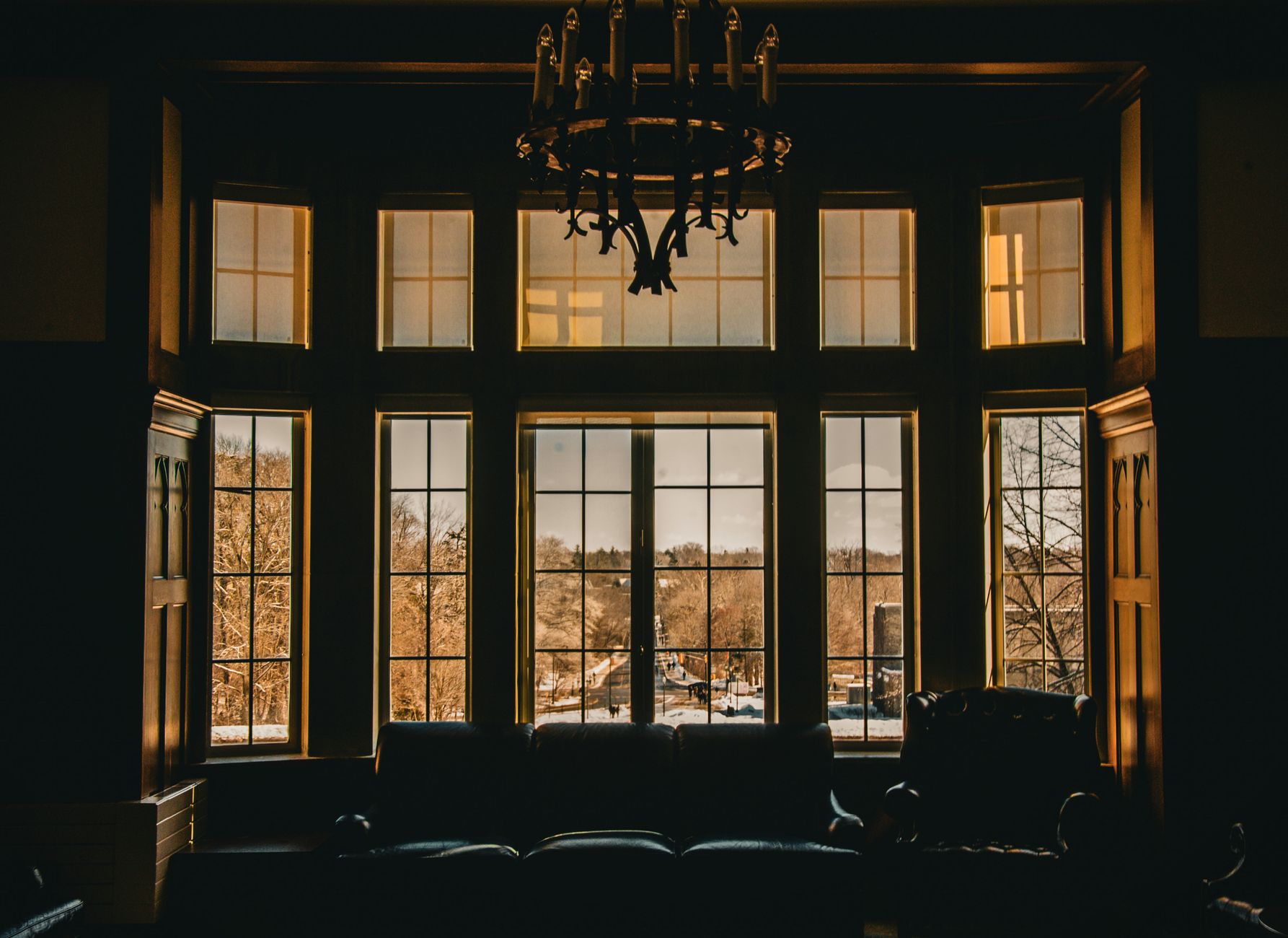
Afternoon sun in San Bernardino does three things to a room: it heats the air, it bleaches what it touches and it makes a screen unreadable. All three come through the same piece of glass, and the fix for each is different. This article sorts out which problem a window actually has, and what the glass, the frame and the surroundings can do about it.
Why do west and south windows cause the most trouble?
The sun in the Inland Empire stays high and bright for most of the year, and the valley floor around Interstate 215 has little shade from hills. A west window takes direct sun from early afternoon until dusk, when outdoor air is already at its warmest. A south window gets the longest total hours, with a high angle in summer that eaves can shade and a low angle in winter that they cannot.
East windows warm a room in the morning when the house is still cool, so they cause little trouble. North windows get soft light and rarely overheat. Most complaints come from the west and south walls, which is where glass choice matters.
What actually fades furniture and floors?
Fading is caused mostly by ultraviolet light, plus visible light and heat acting together. Standard clear glass blocks only a small part of ultraviolet. Low e coatings reduce more, and laminated glass with a plastic interlayer blocks nearly all of it. That is why a laminated pane near a hardwood floor can protect the finish better than a plain double pane unit.
Dyes in fabric, wood stains and printed artwork each react differently. Red and yellow dyes fade faster than blue. Hardwood darkens or lightens depending on the species, and cherry and walnut shift color quickly in strong sun. A rug that sits in a sunny stripe for a few summers will show a clear edge where the light stopped.
Is glare a separate problem from heat?
Glare is about brightness, not temperature. A room can be comfortable and still impossible to use for a television or a laptop at four in the afternoon. A tinted or reflective coating cuts visible light, but it also changes how the room looks at night and can make the view slightly gray. Interior shades, exterior awnings or a deep eave handle glare without altering the glass.
Low e glass with a lower visible transmittance reduces glare somewhat, but the trade is a dimmer room on cloudy days. In a valley with long stretches of clear sky, that trade is often worth making on the west wall alone.
How do the options compare?
| Option | Heat | Fading | Glare | Notes |
|---|---|---|---|---|
| Low e coating, lower solar gain | Strong reduction | Moderate reduction | Slight reduction | Built into the glass, lasts the life of the unit |
| Laminated glass | Little change alone | Strong reduction | None | Also helps with traffic noise |
| Window film on the inside | Moderate reduction | Strong reduction | Moderate reduction | Can stress a sealed unit if applied wrongly |
| Exterior awning or shade screen | Strong reduction | Strong reduction | Strong reduction | Stops sun before it reaches the glass |
| Interior blinds or shades | Slight reduction | Moderate reduction | Strong reduction | Heat is already inside once the light passes the glass |
Why does shading outside beat shading inside?
A blind inside the room stops the light, but the glass has already absorbed the sun and the heat is already in the house. An awning, a patio cover or a tree on the outside stops the sun before it touches the glass. A shaded pane stays cool, so the temperature swing across the unit is smaller, which also puts less stress on the edge seal.
Deciduous trees are especially useful on the west and south sides. They block summer sun with leaves and let winter sun through after they drop. A tree planted ten feet from a west wall will take several years to matter, so it pays to plant early.
Can film solve it on existing windows?
Film is a quick fix, and it does reduce heat and fading. It also has limits. Dark films can overheat the glass, and a double pane unit not rated for film can crack from the stress or fail at the edge. Manufacturers often state in the warranty whether film is allowed, so check that first. Film also scratches, bubbles over the years and has to be removed before the glass is replaced.
For a house that is going to get new windows in a year or two anyway, film may be a reasonable bridge. For a house that is staying put for a decade, a better glass choice at replacement time beats film in most cases.
What does a frame do to the picture?
A frame in direct sun absorbs heat and radiates it into the room. A dark vinyl window on a west wall can get hot enough to feel uncomfortable to the touch, and a thin aluminum frame without a thermal break is worse. Lighter colors and a multi-chamber frame reduce that effect. A clad or fiberglass window handles heat movement better than plain vinyl, but the glass remains the larger share of the problem.
Will heavier glass make the room dark?
Not by much, if it is specified wall by wall. A room that faces west and has a large window can take a lower-gain coating without feeling dim, because the sun is strong. A north bedroom with one small window may want clearer glass so the room does not feel gloomy. Mixing coatings is possible, and the only real concern is how they look from the street, since a lower-gain coating has a slightly different tint.
Frequently asked questions
Does a double pane window stop fading?
It slows it, but a plain double pane unit blocks only part of the ultraviolet. Adding a low e coating or laminated glass improves it.
Should every window in the house get the same glass?
No. West and south walls benefit from lower solar heat gain, while shaded or north rooms can use clearer glass for more daylight.
Do tinted windows run hotter?
A heavily tinted pane absorbs more sun, so the glass itself gets warmer and the stress on the unit rises. A reflective low e coating usually works better than a dark tint.
Are screens a help?
A solar screen on the outside of a window blocks a large part of the sun before it reaches the glass, and it also holds back some of the dust that blows in during the Santa Ana winds.
What about homes near the San Bernardino Mountains?
Houses on the foothill side see cooler nights and a bigger daily swing in temperature, which makes seal quality and good spacers more important, while the sun problem is much the same as in Verdemont or Del Rosa.
What is a sensible order of fixes?
Start with outside shading where it can be built, since it helps every other measure. Choose lower-gain glass for west and south walls when windows are replaced. Add laminated glass where floors, rugs or art need protection, and use interior shades for glare. Keep film as a last resort for glass that will be replaced soon. Done in that order, a hot, bright room becomes an ordinary one.
What Happens on Window Installation Day When the Santa Ana Winds Are Blowing
2026-10-20
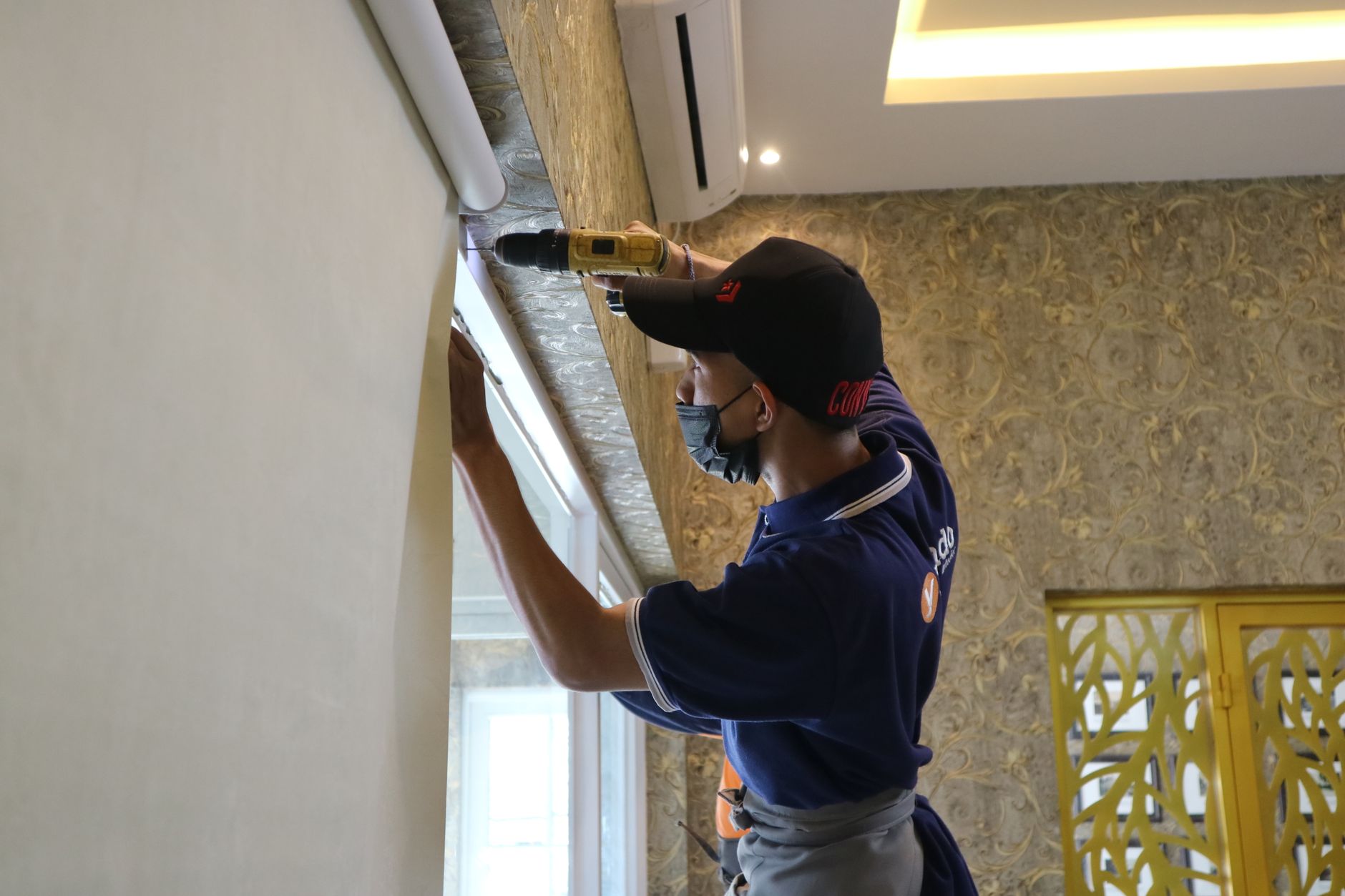
An open wall during a windy afternoon is the worst moment in a window job. In San Bernardino the Santa Ana winds can arrive with a few hours of warning, and a house with half its windows out becomes a funnel for dust. A well run installation day is built around that risk, and most of the planning happens before the first sash comes out.
How does a crew decide which day to schedule the work?
Crews watch the forecast for wind first and temperature second. Sustained wind through Cajon Pass and down into the valley means fine grit in the air, and that grit lands on bare framing, wet sealant and fresh paint. A calm morning is worth more than a perfect temperature, so jobs are often moved a day or two when a wind advisory is posted for San Bernardino County.
Heat matters too. Sealants and foam have working temperature ranges, and a west wall in direct July sun can be far hotter than the air. Crews start on the shaded side of the house and finish on the sunny side late in the day, or shift the whole job to early morning so the sealant cures before the wall heats up.
What gets protected inside the house?
Dust control starts indoors. Furniture within six feet of a window gets moved or wrapped, floors get taped drop cloths, and any return air vent near the work is covered so grit does not go into the ductwork. Blinds, curtains and rods come down before the crew arrives, since removing them mid-job costs time and invites scratches.
Homeowners can help with a short checklist:
- Clear a path of about three feet from the front door to each window.
- Take pictures, mirrors and shelf items off the walls near the work.
- Move pets to a closed room away from open frames.
- Turn off ceiling fans in the rooms being worked on.
- Leave access to the garage or side gate for tools and old units.
In what order do the windows come out?
One room at a time is the rule on a windy or hot day. The crew removes the old window, checks the opening, installs the new unit and closes it up before moving to the next opening. A house is never left with every window out at once. Bedrooms usually go first so they can be shut off from the dust and heat, and large picture windows and slider doors are saved for the middle of the day when the crew is at full strength.
The order inside each opening is also fixed. The old sash and frame come out, the opening is cleaned with a vacuum rather than a broom, and the sill is checked for rot, level and flashing. Only then does the new unit go in, shimmed square, fastened and sealed.
What does each step look like?
| Step | What happens | Why it matters in dust and heat |
|---|---|---|
| Protect | Floors covered, furniture moved, vents sealed | Grit stays out of the ducts and finishes |
| Remove | Old sash, stops and sometimes the whole frame come out | The opening is exposed for as short a time as possible |
| Inspect | Sill, jambs and sheathing checked for rot and moisture | Hidden water damage shows up here and changes the plan |
| Flash and shim | Sill pan or flashing tape applied, unit set level and plumb | A crooked unit never seals well against wind |
| Insulate and seal | Low expansion foam in the gap, sealant outside, trim inside | Cool morning application gives the best cure |
| Clean and test | Glass cleaned, locks and weatherstripping checked | Dust on a seal can leave a gap that lets air through |
Why does the sealant need so much attention?
Exterior sealant is the line between the wall and the weather. Applied onto dusty stucco, it sticks to the dust rather than the surface, and it peels within a season. Crews wipe or brush the joint clean, and in a dry wind they often make a second pass right before sealing. On stucco homes in Verdemont and Del Rosa, the joint between the stucco and the frame is the place where most failures begin, so it gets the most care.
Foam in the gap behind the frame follows the same logic. Low expansion foam fills the gap without bowing the frame, while the high expansion type can squeeze a vinyl window out of square and make a slider stick in its track for years. A crew that tests every slider and double hung sash after the foam cures catches that before it becomes a service call.
What happens to the old windows?
Old aluminum frames and glass are heavy and sharp, and a pile in the front yard on a windy day is a hazard. Good crews carry the old units straight to a truck or a covered area, and sweep up glass chips in each room before leaving it. Old glass should never be left leaning against a wall where wind or a pet could knock it over.
Homes built before the late seventies may have paint that contains lead. A crew working on an older house in the Inland Empire will often test the paint first and use wet methods to keep dust down. That is a reason to ask about it at the planning stage, not on the day.
How long does the job really take?
An average house with ten to fourteen openings is usually a one or two day job for a small crew. Large picture windows, bay windows and sliding doors take longer because the glass is heavy and needs extra hands. Stucco repair around full frame replacements adds a separate trip, since the patch needs time to cure before it is painted.
Weather can add a day. Wind above about twenty miles an hour makes it unsafe to carry large panes outdoors, and a crew that stops for the afternoon is doing the right thing. A spare day in the schedule keeps that from becoming a problem.
What should the homeowner check at the end?
A walkthrough after the last window is worth twenty minutes. Open and close every sash, check that locks pull the sash tight, and look at the sealant bead for gaps or smears. Look at each frame from inside with a flashlight along the edge, which shows daylight if the shim or foam missed a spot. The glass should be clean, the labels removed, and the screens fitted.
Checking again after the first windy day catches problems early. A light line of dust on a new sill is normal, but a heap in the corner of a track means a gap somewhere, and it is much easier to fix in week one than in year three.
What about the weeks after installation?
Sealant and foam finish curing over a few days, so avoid hard slams and heavy cleaning during that time. Wait for any interior paint touch ups to dry before closing the windows tightly. Clean the tracks and weep holes after the first wind event, and note the date, since it makes a good habit for each autumn when the Santa Ana season returns.
A new window is only as good as the day it went in. In a valley with heat, wind and fine dust, a calm morning, a clean opening and a patient crew do more for the finished job than any feature on the label.